Creating a peaceful and relaxing environment at home starts with the colors you choose. Calm colors can transform any space into a soothing retreat, helping you unwind and recharge. If you’re thinking about repainting or redecorating, understanding how to select calm colors is essential. This guide offers practical tips to help you pick the perfect hues that promote tranquility and comfort in your living space.
Why Choose Calm Colors?
Calm colors have a gentle effect on the mind and body. They reduce stress, improve focus, and make rooms feel welcoming without overwhelming the senses. Common calm colors include soft blues, greens, muted grays, and warm neutrals. These colors tend to reflect natural elements, promoting a connection to nature indoors.
Tips for Choosing Calm Colors
1. Understand the Mood You Want to Create
Before selecting any paint color, think about the mood you want for your room:
– Relaxation: Soft blues and greens are associated with calmness and rest.
– Warmth: Warm neutrals like beige and taupe create cozy, inviting spaces.
– Freshness: Light grays and whites give a clean, airy feeling.
Knowing the mood helps narrow down your color choices and ensures harmony throughout your home.
2. Use a Color Wheel as a Guide
A color wheel can help you find calming shades:
– Look for analogous colors: These are colors next to each other on the wheel, such as blue and green. They blend well and offer a peaceful palette.
– Avoid sharp contrasts or very bright, saturated hues, which can feel stimulating rather than calming.
3. Test Colors in Different Lighting
Colors can change dramatically depending on natural and artificial light:
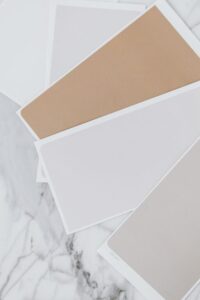
– Paint sample patches on walls and observe them at various times of day.
– Note if the color feels too cold, harsh, or dull in certain lighting conditions.
– Choose colors that maintain their calming effect regardless of light changes.
4. Consider the Room’s Purpose
The function of each room plays a big role:
– Bedrooms: Soft, muted shades encourage restfulness.
– Living rooms: Warm neutrals and gentle blues promote relaxation and social comfort.
– Home offices: Light greens or pale blues can enhance focus while keeping stress low.
5. Balance with Neutrals and Textures
Pair calm colors with neutral tones for balance:
– Whites, creams, and light grays help calm colors stand out subtly.
– Textured fabrics, wood finishes, and natural materials add warmth without disrupting the peaceful vibe.
6. Limit Bold Accents
If you enjoy color pops, keep them minimal:
– Use calming colors for walls and large furniture pieces.
– Add small accents like cushions, artwork, or rugs in brighter colors to energize the space without overwhelming it.
Popular Calm Color Choices
Here are a few tried-and-true calming colors along with their unique effects:
– Soft Blue: Evokes the sky and water, ideal for bedrooms and bathrooms.
– Muted Green: Reminds of nature, perfect for living spaces and kitchens.
– Warm Beige: Provides a cozy and neutral backdrop that works anywhere.
– Pale Lavender: Adds a subtle sense of luxury and tranquility to bedrooms or lounges.
– Light Gray: Offers a modern, sophisticated calm that easily pairs with other colors.
Final Thoughts
Choosing calm colors for your home is a rewarding way to create a peaceful environment. By focusing on mood, lighting, and the function of each room, you can select hues that support relaxation and well-being. Remember to test samples, combine colors thoughtfully, and incorporate textures to enhance the calming effect. With these tips, your home can become a serene haven you look forward to coming back to every day.