
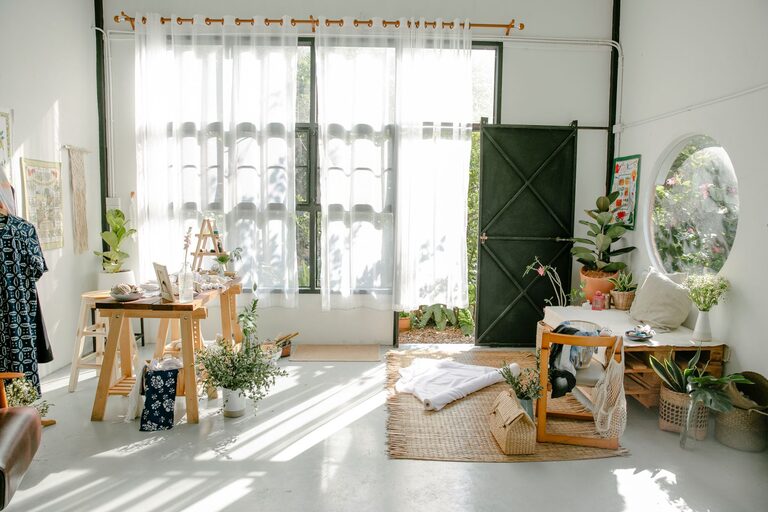
Creating a relaxing home workspace is essential for maintaining focus, reducing stress, and improving overall productivity when working from home. Whether you have a dedicated room or just a corner of your living space, designing an area that promotes calm and efficiency can make a big difference in your workday. In this post, we’ll explore practical steps to help you build a comfortable and inviting workspace.
Why a Relaxing Workspace Matters
Working from home offers flexibility, but it also comes with distractions and challenges. A workspace that feels cluttered, uncomfortable, or chaotic can increase stress and reduce concentration. Conversely, a well-thought-out, relaxing environment helps you stay focused, feel motivated, and enjoy your work. It can also support your mental well-being by signaling a clear boundary between work time and personal time.
Step 1: Choose the Right Location
Your workspace’s location plays a big role in how relaxed you feel while working.
– Find a Quiet Spot: Ideally, select a place away from household noise and foot traffic.
– Consider Natural Light: Position your desk near a window to benefit from natural light, which can boost mood and reduce eye strain.
– Think About Ventilation: Fresh air keeps the room comfortable and invigorating.
– Size and Privacy: Even a small nook can work if it allows some privacy and separation from other activities.
Step 2: Invest in Comfortable, Ergonomic Furniture
Comfort in your furniture is key to staying relaxed and preventing fatigue.
– Ergonomic Chair: Choose a chair that supports your back and encourages good posture.
– Desk Height: Your desk should be at a height where your arms bend comfortably at about 90 degrees.
– Footrest: If your feet don’t touch the floor comfortably, use a footrest to reduce strain.
– Adjustable Options: Chairs and desks that adjust help you customize your workspace to your needs.
Step 3: Organize for Simplicity and Clarity
A clutter-free environment reduces distractions and anxiety.
– Use Storage Solutions: Shelves, drawers, and organizers keep supplies tidy and within reach.
– Limit Items on Desk: Keep only essentials like your computer, a notebook, and a pen.
– Cable Management: Use clips or sleeves to prevent tangled cords.
– Regularly Declutter: Set aside time weekly to tidy up your workspace.
Step 4: Personalize Your Space
Adding personal touches makes your workspace more inviting without becoming distracting.
– Plants: Small indoor plants can improve air quality and add calming greenery.
– Artwork: Choose calming images or motivational quotes.
– Colors: Soft, neutral colors or your favorite shades can help create a soothing atmosphere.
– Lighting: Use a desk lamp with adjustable brightness to avoid harsh overhead lighting.
Step 5: Minimize Distractions
Helping your mind stay on task means controlling what might interrupt your focus.
– Turn Off Notifications: Silence phone and computer alerts during work sessions.
– Use Noise-Canceling Headphones: These can block out background noise.
– Set Boundaries: Communicate with family or housemates about your work hours and need for quiet.
– Background Sound: Soft instrumental music or white noise may aid concentration.
Step 6: Incorporate Relaxation Elements
Including features that help you relax during breaks supports long-term productivity.
– Comfort Items: A cozy blanket or cushion can make breaks more restful.
– Aromatherapy: Consider a diffuser with calming scents like lavender or eucalyptus.
– Stretch Area: Leave room to stand and do simple stretches.
– Water or Tea Station: Having refreshments nearby encourages hydration and small breaks.
Step 7: Maintain Your Workspace Routine
Routine helps keep your workspace functional and your mind prepared.
– Set a Regular Schedule: Start and end your workday at consistent times.
– Clean Daily: Take a few minutes to tidy your desk each day.
– Reevaluate Your Setup: Adjust your space periodically to meet changing needs.
– Blend Work and Breaks: Use techniques like the Pomodoro method to balance focus and rest.
Final Thoughts
Creating a relaxing home workspace doesn’t require a big budget or a large area. With thoughtful choices about location, furniture, organization, and ambiance, you can design a space that supports your work and well-being. Remember, your workspace should feel inviting and comfortable—a place you look forward to using every day. Start small, experiment, and tailor your environment to fit your unique needs and preferences.
By investing time in creating a dedicated, calming workspace, you set yourself up for greater productivity and a more enjoyable work-from-home experience.