
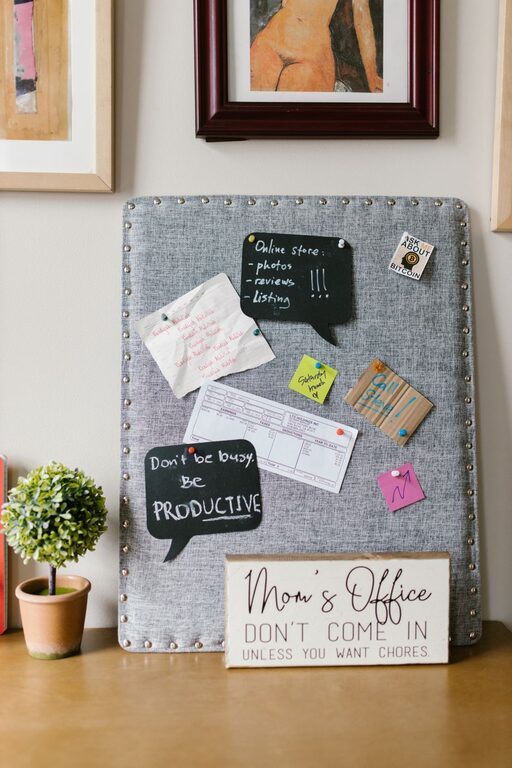
Creating a family command center can be a game-changer for busy households. It serves as a central hub where everyone can stay informed about schedules, chores, events, and important information. Whether you’re managing school activities, appointments, or meal plans, a well-designed command center keeps everything in one place, reducing stress and improving communication.
In this post, we’ll walk through the steps to set up your own family command center that fits your home and lifestyle.
What Is a Family Command Center?
A family command center is typically a designated area in your home — like a section of a kitchen wall, hallway, or mudroom — that organizes essential family information. It can include calendars, to-do lists, meal plans, mail organizers, and more. The goal is to create a visual and easily accessible system where everyone knows where to find and contribute important details.
Choosing the Right Location
The first step is deciding where your command center will live. Consider these factors:
– High Traffic Area: Choose a spot your family passes by daily, such as the kitchen, near the front door, or a hallway.
– Accessible Height: Make sure kids and adults can reach and read the information.
– Enough Space: There should be enough room for your boards, baskets, and other organizing tools without feeling cluttered.
Essential Components of a Family Command Center
While every family’s needs differ, here are some common elements to include:
1. Calendar
A calendar is the heart of your command center. Use a large wall calendar, dry erase board, or magnetic calendar to track appointments, school events, sports practices, and social activities.
2. Message Center
Include a place for notes and reminders. This could be a bulletin board with push pins, a chalkboard, or a whiteboard for quick messages and to-do lists.
3. Mail and Paper Organizer
Designate slots or baskets for incoming mail, school papers, bills, and permission slips. This keeps paperwork from piling up on counters or getting lost.
4. Chore Chart
Encourage responsibility by having a visible chore chart that lists family member duties with checkboxes or reward systems.
5. Meal Planner
Plan weekly meals with a displayed list or board. This helps with grocery shopping and dinner prep.
6. Key Holder and Charging Station
A section for keys, wallets, and charging devices can prevent last-minute searches when heading out.
Gathering Supplies and Tools
Once you have a plan, assemble the tools you’ll need. Popular options include:
– Corkboard, magnetic boards, or framed dry erase boards
– Clips, baskets, or wall-mounted file holders
– Labels and markers for easy reading
– Hooks or small shelves for keys and gadgets
– Adhesive strips or nails for mounting items
You can repurpose items you already have or buy affordable organizing supplies from home goods or office stores.
Step-by-Step Setup Guide
Step 1: Prepare the Wall or Area
Clean the surface and decide on the layout. Sketch a simple plan to arrange the calendar, mail holder, chore chart, and other items logically.
Step 2: Mount Boards and Organizers
Install your chosen boards, baskets, and hooks. Use a level to ensure everything is straight and secure.
Step 3: Customize Your Components
Write in family birthdays, recurring appointments, and chores. Add meal planning sheets and establish mail sorting routines.
Step 4: Involve the Whole Family
Make sure everyone understands how to use the command center. Encourage kids to update their chores and check schedules regularly.
Step 5: Keep It Updated
Set a weekly routine to review and refresh the information. Remove outdated papers and add new reminders as needed.
Tips for Maintaining Your Family Command Center
– Keep it Simple: Avoid overcrowding so the center remains clear and easy to use.
– Use Color Coding: Assign colors for each family member for quick visual organization.
– Make It Fun: Add decorative touches or encourage kids to personalize their sections.
– Adapt as Needed: Adjust components based on what works best for your family over time.
– Digital Backup: Consider syncing with digital calendars or reminder apps alongside your physical center.
Benefits of a Family Command Center
– Reduces missed appointments and forgotten tasks
– Encourages family participation and communication
– Helps children learn time management and responsibility
– Centralizes important papers and reduces clutter
– Creates a sense of routine and order
Conclusion
Setting up a family command center is a simple way to bring more organization and calm to your busy household. By choosing a good location, including essential organizing tools, and involving your entire family, you can build a command center that works for you. With regular upkeep, it will become an indispensable part of your daily routine and help everyone stay on track.
Start small, customize to your needs, and watch how this small corner of your home can make a big difference!